
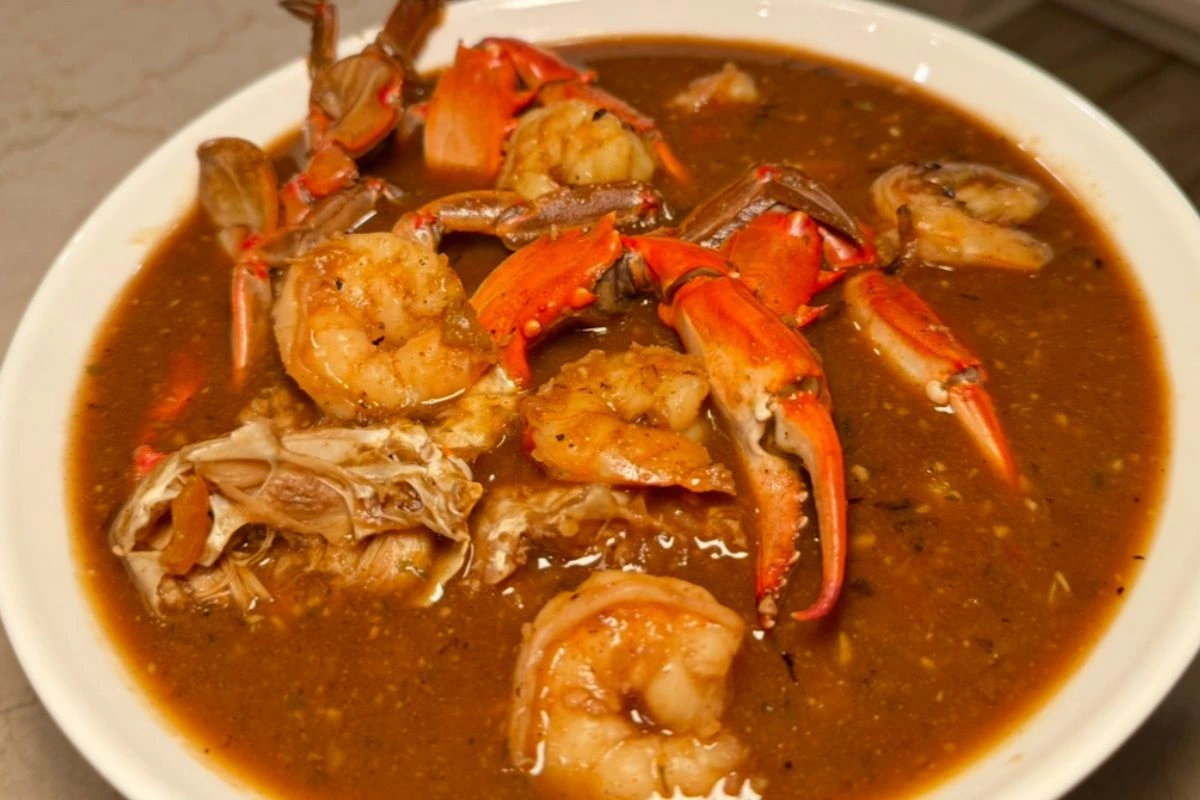
Before we talk pots, spoons, or seafood, let me say this out loud because somebody needs to hear it today: you don’t need permission to cook something special. Not a holiday. Not a dinner party. Not company coming over. If you survived a week that felt like it had six Mondays, that alone qualifies you for a bowl of something rich, comforting, and full of flavor. And if that bowl happens to be a seafood gumbo recipe that smells like patience, warmth, and a little bit of joy, well… that sounds like excellent decision-making to me.
This seafood gumbo recipe isn’t about rushing or cutting corners. It’s about slowing down just enough to let flavor show off. It’s about confidence in the kitchen, even if you’re the type who still double-checks measurements or side-eyes the pot like, “You sure you know what you’re doing?” (You do.) It’s about understanding that gumbo doesn’t need to be loud to be bold. It needs intention. And trust. And time to do what time does best.
So go ahead. Scroll down. Read the recipe. Trust yourself. And when you taste that first spoonful, let it be a reminder that you’re capable of more than you give yourself credit for. This seafood gumbo recipe isn’t just dinner. It’s a moment. And you deserve it.
Low-Sodium Louisiana Seafood Gumbo
Equipment
- Large heavy-bottom skillet or wide pot
- Wooden spoon or heat-safe spatula
- Measuring spoons
- Knife and cutting board
Ingredients
The Flavor Base
- 1 tablespoon oil or butter
- 150 g onion thinly sliced or diced
- 80 g celery diced
- 70 g bell pepper diced
- 12 to 18 g garlic minced
Thickening and Body
- * 2 to 3 teaspoons all-purpose flour
- * ½ packet Louisiana Cajun Gumbo Base
Broth
- * 4 cups low sodium seafood broth (or water for lower sodium) (add more broth if you like your roux thinner, this current amount is thicker)
Seasonings
- 2 teaspoons garlic powder
- 1½ teaspoons onion powder
- ½ teaspoon smoked paprika
- ½ teaspoon black pepper
- ¼ teaspoon dried thyme
- ⅛ to ¼ teaspoon cayenne pepper optional
- ½ teaspoon low sodium Cajun seasoning
Finish
- * ½ to 1 teaspoon gumbo filé powder added off heat
Instructions
Build the Flavor Foundation:
- Heat a large skillet or pot over medium heat. Add the oil, then add the onion, celery, and bell pepper. Cook slowly for 10 to 15 minutes, stirring occasionally but not constantly. Let the vegetables soften and brown deeply. You are not rushing this step. This browning is where your low sodium flavor comes from, so stay patient and let the magic happen.
Trust the Color:
- You want the onions caramelized and the celery edges browned. If you see dark spots on the pan, that is flavor, not failure. If your kitchen smells rich and savory, you are exactly where you need to be.
Add the Garlic at the Right Moment:
- Once the trinity is deeply golden and fragrant, add the garlic. Stir continuously for 45 to 60 seconds, just until fragrant. Garlic burns quickly, so do not walk away here.
Create Body Without Heavy Roux:
- Sprinkle the flour evenly over the vegetables. Stir constantly for 1 to 2 minutes to cook out the raw flour taste. This step gives your gumbo body without making a full roux.
Activate the Gumbo Base:
- Add half of the gumbo base packet and stir until it coats everything. Let it toast briefly for about 30 seconds so the spices wake up.
Season With Intention:
- Add garlic powder, onion powder, smoked paprika, black pepper, thyme, cayenne if using, Cajun seasoning, and MSG if using. Stir and let the spices bloom for another 30 seconds.
Add the Broth Slowly:
- Pour in the low sodium broth gradually while stirring to prevent lumps. Scrape the bottom of the pan to release all those beautiful browned bits. They will melt into the broth and deepen the flavor.
Simmer and Let It Become Gumbo:
- Bring the mixture to a gentle simmer. Reduce heat to low and simmer uncovered for 25 to 35 minutes, stirring occasionally. This is when everything smooths out, the bitterness softens, and the gumbo becomes rich and cohesive. Do not judge the flavor before this step is complete.
Finish With Filé Like a Pro:
- Turn the heat off completely. Stir in the gumbo filé powder. Never boil filé. This thickens the gumbo slightly and adds that unmistakable Louisiana finish.
Notes
Add extra cayenne or a pinch of crushed red pepper during the simmer. Heat builds as it cooks, so start small and taste later. For Thicker Gumbo:
Add an extra teaspoon of flour when cooking the vegetables, or use the full teaspoon of filé at the end. For Thinner Gumbo:
Add an additional 120 to 240 g broth during the simmer until it reaches your desired consistency. **If It Tastes Bitter Early:**
Do not panic. Gumbo always tastes rough before it simmers. Give it time. Simmering is what turns sharp flavors into deep, rounded richness. **Protein Options:**
This base works beautifully with chicken, shrimp, turkey, or kept as a simple gumbo soup. If adding shrimp or cooked meat, stir it in during the last 10 minutes of simmering. **Low Sodium Success Tip:**
Color replaces salt. Browning the trinity deeply is not optional here. That step is what makes this gumbo taste like the real thing.
Disclaimer: The nutritional information provided with this recipe is an estimate and may vary depending on the specific ingredients, brands, or preparation methods you use. Cooking times and results may also vary based on your equipment, conditions, and individual cooking skills. Please use your own judgment and adjust as needed during preparation.
Be mindful of food allergies and sensitivities when preparing this recipe. Always double-check ingredient labels to ensure they are suitable for your specific dietary needs or those of anyone you may be serving. Neither the recipe creator nor this blog assumes responsibility for adverse reactions caused by following the recipe.
These recipes are shared for informational purposes only and should not be considered dietary, nutritional, or medical advice. For personalized advice, always consult with a qualified professional. Happy cooking!